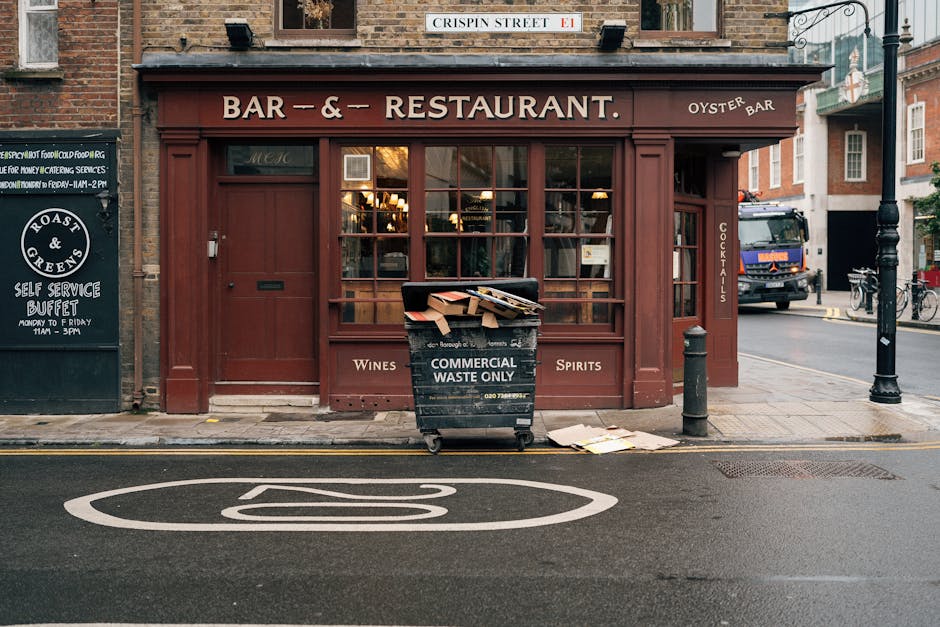
Case study terrace makeover at Spitalfields Market by gardeners

Terraces in busy London spots can be awkward little spaces. They get wind, foot traffic, shade, food spills, dust, and the kind of wear that makes even a decent surface look tired by 4pm. In this case study terrace makeover at Spitalfields Market by gardeners, the focus is simple: turn a hard-working outdoor area into something cleaner, calmer, and far more usable without losing the character that makes the place feel alive.
That sounds straightforward enough, but anyone who has worked on a market terrace knows there is a bit more to it. You need a plan for access, timing, drainage, cleaning, planting, safety, and maintenance. You also need to respect the rhythm of a place that never really stands still. This article walks through what a terrace makeover usually involves, why it matters, how the process works, and what to watch out for if you are thinking about a similar project.
For readers comparing options, there is also a practical look at methods, tools, compliance, and the little details that separate a tidy refresh from a terrace that actually performs well day after day. And yes, the small details matter. Usually more than people expect.
Why Case study terrace makeover at Spitalfields Market by gardeners Matters
A terrace makeover in a place like Spitalfields Market is not just about making things look nicer for a week. It is about improving how the space works every single day. In a commercial setting, outdoor areas are part of the customer experience, staff comfort, and brand image. If a terrace feels grubby, cluttered, or underused, people notice. They may not say it out loud, but they notice.
In practical terms, a well-planned makeover can help with safety, movement, cleaning, drainage, and seating layout. It can also reduce the feeling of visual noise. You know the sort of thing: patchy paving, tired planters, moss at the edges, bits of broken trim, and a corner that always seems to gather debris. Fixing those issues changes the whole mood of the place.
It also matters because terraces in central London face a mixed set of pressures. Weather is one of them, obviously. Footfall is another. Then there is the challenge of making a space look welcoming while still being robust enough for heavy use. That balance is where professional gardening and landscaping work earns its keep.
If you are planning a similar project, it helps to think beyond appearance. A successful terrace makeover supports routine cleaning, easier access for maintenance, and sensible long-term upkeep. For broader support with ongoing outdoor care, the team's garden maintenance services and wider gardening services can be useful reference points when shaping a long-term plan.
Expert summary: the best terrace makeovers are not the flashiest ones. They are the ones that look good, handle daily use, and stay manageable after the first tidy-up has passed. That is the real test.
How Case study terrace makeover at Spitalfields Market by gardeners Works
A terrace makeover usually starts with a site assessment. The point is to understand what the space is doing now, not what you hope it is doing. Is the surface slippery? Are there drainage issues? Are planting areas cramped? Is there enough room for people to move comfortably? These are the kinds of questions that drive the whole plan.
After that comes a staged approach. In most cases, the job is broken into cleaning, clearance, repair, reshaping, and finishing. That sequence matters. If you try to add new features before the surface is ready, you just end up working around old problems, which is a bit like painting over damp plaster. It looks fine for a minute. Then it doesn't.
The makeover may involve pressure-safe cleaning, debris removal, pruning or reshaping of overgrown features, surface improvement, and new planting or edging. In some terraces, a more defined layout is needed. A seating edge may be framed with planting. A bare section may be softened with containers or trellis. A tired walkway may be refreshed so the terrace feels less like a leftover space and more like an intentional one.
Depending on the condition of the site, related services may also come into play. For example, if a terrace perimeter needs privacy, fencing solutions can create structure. If the hard surfaces are looking dull or stained, patio cleaning may be part of the restoration. And where the site has bulk waste or garden debris, garden clearance can help reset the whole space quickly.
The important thing is not to treat the makeover as a single event. It is more like a sequence of decisions that should all support the same outcome: a terrace that works better, looks better, and is easier to keep that way.
Key Benefits and Practical Advantages
The first benefit is obvious enough: the terrace looks better. But appearance is only part of the value. In a busy setting, a tidy and coherent outdoor area makes the whole property feel more cared for. That matters to visitors, staff, and anyone making decisions based on first impressions.
There are also more practical advantages:
- Better usability: clearer layouts make the space easier to walk through, sit in, or clean.
- Improved safety: removing trip hazards, loose debris, or blocked edges can reduce everyday risks.
- Lower maintenance stress: a well-designed terrace is easier to keep under control between visits.
- Stronger visual identity: consistent planting, edging, and finish help the site feel intentional.
- More flexibility: a good terrace can adapt for seasonal use, events, or daily foot traffic.
One underrated benefit is how much calmer the space can feel. A terrace makeover does not have to be dramatic. Often it just needs the right sequence: clean, clear, define, soften, then finish. Once those elements are in place, the space suddenly stops fighting you.
There is also a business benefit that gets missed a lot: easier upkeep means better consistency. That matters for places that cannot afford a terrace to look good only on the day the work is completed. If the area is part of a public-facing site, being able to maintain standards matters just as much as the initial transformation.
| Approach | Best for | Strengths | Limitations |
|---|---|---|---|
| Basic clean and tidy | Light wear and quick refreshes | Fast, cost-conscious, minimal disruption | Won't fix deeper layout or drainage issues |
| Surface-led makeover | Marked paving, dull finishes, grime build-up | Big visual improvement, practical for busy sites | May still need planting or structure updates |
| Full terrace redesign | Spaces that feel awkward or underused | Best long-term usability and visual cohesion | More planning, more coordination, usually more time |
Who This Is For and When It Makes Sense
This kind of project suits anyone responsible for an outdoor terrace that is visible, used often, and expected to stay presentable. That could mean a market operator, a hospitality venue, a commercial premises manager, or a property owner who wants the exterior to match the standard inside.
It makes particular sense when the terrace is suffering from one or more of these issues:
- the layout feels cramped or confusing
- surfaces look dirty, worn, or patchy
- plants are overgrown, sparse, or mismatched
- there are drainage or moss problems
- the space is used, but not really enjoyed
- the terrace is hard to maintain between busy periods
It is also a good choice when you are preparing for a change in use. Maybe the terrace needs to work better in summer. Maybe it needs to support more footfall. Or maybe it simply needs to look sharper because the rest of the site has moved forward. Either way, the project should be driven by function first, then finish.
In our experience, the people who get the most from a terrace makeover are the ones who are honest about how the space is actually used. Not how they wish it were used. That small distinction saves time, money, and a fair bit of frustration.
If you are still gathering options, it can help to review the company's approach to landscape gardening and broader landscaping work, because terrace improvement often sits somewhere between the two.
Step-by-Step Guidance
A sensible terrace makeover follows a clear sequence. The exact details vary, but the logic is usually the same.
- Assess the site. Look at the surface, boundaries, planting, drainage, access points, and any recurring problem areas.
- Clear debris and clutter. Remove dead material, broken items, loose soil, and anything that hides the real condition of the terrace.
- Clean the hard landscaping. This may include sweeping, washing, or targeted cleaning depending on the finish and sensitivity of the surface.
- Repair or reshape what is tired. Edges, containers, screening, or existing features may need adjustment before anything new is added.
- Introduce structure. Define zones for movement, seating, planting, or screening so the terrace reads clearly.
- Add planting with purpose. Choose plants that suit the light, exposure, and maintenance level the space can actually handle.
- Review the finish. Step back and check whether the terrace feels balanced, practical, and easy to maintain.
- Plan upkeep. A makeover only lasts if there is a realistic maintenance rhythm behind it.
A nice trick, and not a glamorous one, is to walk the space at different times of day. Morning light, afternoon glare, and evening shadow can all change how a terrace feels. It is surprising how often a layout makes sense on paper but feels wrong once you are actually standing there.
For heavier clean-up phases, a combination of lawn care style routine attention in planted sections and targeted outdoor cleaning can help keep the terrace from sliding back into the "almost tidy" category. And nobody wants almost tidy. Let's face it.
Expert Tips for Better Results
One of the most useful things you can do is design for maintenance, not just for the reveal day. If the terrace needs constant fiddling to look presentable, the design is probably too delicate for the environment. Materials, planting density, and layout all need to reflect real use.
Here are a few practical tips that make a noticeable difference:
- Choose tougher planting near high-traffic edges. Delicate plants near walkways tend to get battered.
- Keep lines simple where space is tight. A cluttered terrace looks smaller than it is.
- Use repetition. Repeated planters, materials, or plant types create calm and make the site feel more cohesive.
- Allow for cleaning access. Pretty features that block maintenance are not really helping.
- Think about wind exposure. Spitalfields terraces can get exposed in ways people do not always expect.
A small but important point: avoid overpacking the space with features. A terrace can be improved with just a few strong choices. Too many and it starts to feel busy, even tense. The eye never gets a rest.
If planting is part of the brief, routine care matters. Trimmed edges, healthy soil, and sensible watering habits will usually do more for the overall look than adding more plants ever will. For that reason, services such as hedge trimming and regular maintenance can be surprisingly important in keeping the terrace sharp.
Common Mistakes to Avoid
The most common mistake is starting with decoration before sorting the basics. If a terrace has drainage issues, poor cleaning, or damaged edges, new planting alone will not solve anything. It may look okay for a short while, but the underlying problems stay put.
Another mistake is choosing plants or features that are too high-maintenance for the site. In a busy market environment, the best-looking setup is often the one that is simplest to care for. That sounds a bit unexciting, maybe. But simplicity is a gift when the space is used hard.
Other mistakes include:
- ignoring access routes for staff or visitors
- using surfaces that become slippery too easily
- mixing too many materials without a clear design reason
- underestimating wind, shade, or reflected heat
- forgetting how often the area will need cleaning
- skipping a realistic maintenance plan
There is also the temptation to treat one section of the terrace as the "pretty bit" and ignore the rest. That rarely works. People experience the whole space, not just the best-looking corner. One messy edge can drag the whole thing down.
If removal of old material is part of the job, the right approach to garden clearance can save time and reduce disruption, especially where the terrace has accumulated years of odds and ends. You may not notice how much there is until you start moving it. A classic moment, that.
Tools, Resources and Recommendations
A terrace makeover can involve a fair mix of practical tools and materials, depending on the condition of the space. The key is not to chase gadgets. Use what the job actually needs.
Commonly useful tools and resources include:
- surface brushes and sweepers for daily debris
- safe cleaning equipment suited to the surface finish
- pruning and trimming tools for planted areas
- quality containers or planters for structured planting
- mulch or top-dressing materials where appropriate
- edge restraints or borders to keep the design crisp
- maintenance notes so the terrace does not drift back into chaos
For jobs that involve surface restoration, the work often benefits from a proper clean before anything else. That is where patio cleaning can be a practical part of the wider makeover, even when the terrace isn't a traditional patio as such. Clean surfaces simply make every other improvement look better.
It is also worth thinking about long-term support. Not every terrace needs a full redesign every year. Sometimes the smarter move is to build a robust base and then keep it in good order with consistent care. That can be more economical and, frankly, less stressful for everyone involved.
For readers who want to understand how services are structured or what a job might cost, the company's pricing and quotes page is a useful place to start, while about us helps set expectations around the team behind the work. Those details matter when you are choosing someone to handle a visible space.
Law, Compliance, Standards and Best Practice
For terrace makeovers in a commercial or public-facing setting, compliance and best practice are not optional extras. They shape how the work should be planned and carried out. The exact requirements will depend on the site, ownership, access, and use, so it is always sensible to check what applies to the specific location rather than assuming a one-size-fits-all rule.
At a practical level, good practice usually includes:
- clear risk awareness for working at height or near edges
- safe handling of tools, cleaners, and heavy materials
- appropriate site access management
- respect for neighbouring users and public movement
- careful disposal or recycling of removed materials where possible
In the UK, outdoor works should also be approached with an eye on duty of care, safe working practices, and sensible waste handling. It is also normal to expect contractors to have appropriate insurance and to work in line with their own internal safety procedures. If that sounds dull, well, it is. But dull is good when you are trying to avoid preventable problems.
Anyone commissioning this sort of job should feel comfortable asking about safety, insurance, and working methods. The company's insurance and safety information, along with its health and safety policy, should give a helpful sense of how seriously those responsibilities are taken. For environmentally conscious projects, recycling and sustainability is also worth reviewing, especially where waste reduction or material reuse may be possible.
Options, Methods and Comparison
There is more than one way to improve a terrace, and the best option depends on condition, budget, and the amount of disruption the site can handle. Here is a simple comparison that helps frame the choice.
| Method | Best use case | Pros | Watch-outs |
|---|---|---|---|
| Refresh only | Good structure, tired finish | Quick turnaround, low disruption | May not solve layout or usability problems |
| Functional makeover | Space needs better movement and easier upkeep | Balanced cost and impact, practical improvements | Requires more planning than a simple clean |
| Full redesign | Awkward layout or major wear | Best long-term result, strongest visual shift | More time, more coordination, more decisions |
A functional makeover is often the sweet spot for busy London terraces. It gives you a meaningful improvement without turning the site into a long-term building project. To be fair, that is usually what people actually want. Not a grand theory. Just a better terrace that behaves itself.
If structural additions are needed, such as screening or boundaries, decking services and fencing can support different design styles, though they should always be chosen for suitability rather than trendiness. Trends are fine. Maintenance bills are less fun.
Case Study or Real-World Example
Here is a realistic way to think about a terrace makeover at Spitalfields Market. Picture a compact outdoor space that had become a bit lost over time: dusty surfaces, tired planting, a layout that did not guide people anywhere clearly, and a general feeling that the terrace was there by accident rather than design.
The first step was to strip the space back to basics. Loose debris was removed. The hard surfaces were cleaned. Overgrown or underperforming planting was cut back. Then the design was rebuilt around simple movement lines and a more coherent visual rhythm. Nothing fancy, just clearer.
Once the surface had been reset, the terrace could support better planting and a more intentional finish. In a busy market setting, that kind of improvement changes how people use the space. A visitor is more likely to pause. Staff are more likely to keep it tidy. The area feels safer, easier to read, and less like an afterthought.
One small but telling detail in jobs like this is how quickly the mood changes after the cleaning stage. You can almost hear it. The scrape of a brush, the low hum of tools, the odd shuffle of someone stepping back to check the line. Then the space starts to breathe a bit. It is not magic. It is just good sequencing.
That kind of result is usually strongest when design and maintenance are planned together. If the terrace looks brilliant but needs heroic effort to keep it that way, the project has not fully solved the problem. The real win is lasting ease.
Practical Checklist
Use this checklist if you are planning or reviewing a terrace makeover.
- Check the current condition of the terrace surface.
- Note any drainage, moss, or slip risks.
- Identify clutter, dead material, or unused items to remove.
- Decide how the terrace should be used day to day.
- Plan movement routes so the layout feels natural.
- Choose planting that suits sun, shade, and wind exposure.
- Make sure cleaning access is built into the layout.
- Confirm how waste will be handled and removed.
- Review safety, insurance, and site access requirements.
- Set a maintenance schedule that is realistic, not hopeful.
That last point really matters. A terrace does not stay sharp by luck. It stays sharp because somebody made the upkeep plan honest.
Conclusion
A case study terrace makeover at Spitalfields Market by gardeners is a useful reminder that outdoor spaces do not need to be huge to matter. A small terrace can still shape first impressions, affect usability, and either support or undermine the whole feel of a site. When it is done well, the change is immediate but also durable.
The strongest makeovers are thoughtful rather than showy. They solve problems in the right order, suit the environment they live in, and make daily maintenance easier rather than harder. That is the mark of a good outdoor project, really. It looks good, yes, but it also behaves well.
If you are weighing up a terrace improvement of your own, start with the basics: condition, function, safety, and upkeep. Get those right, and everything else has a much better chance of landing properly. There is a lot to be said for that kind of calm, practical progress.
Get a free quote today and see how much you can save.
Frequently Asked Questions
What does a terrace makeover usually include?
It normally includes clearing debris, cleaning hard surfaces, reshaping or replacing tired features, improving planting, and making the space easier to maintain. The exact scope depends on the terrace's condition and how it is used.
How long does a terrace makeover take?
There is no fixed timeline because access, size, condition, and the amount of detail all matter. A simple refresh can move quickly, while a more involved redesign takes longer because planning and sequencing matter quite a bit.
Is a terrace makeover suitable for a busy market environment?
Yes, provided the design is practical. Busy sites need robust materials, sensible layouts, and planting that can handle regular use. The goal is not just to look good on day one, but to stay manageable after that.
Do I need a full redesign, or just a refresh?
If the layout works and the main issue is surface wear or tired planting, a refresh may be enough. If movement is awkward, the terrace feels cramped, or upkeep is constantly a problem, a fuller redesign is often the better choice.
What are the biggest risks with terrace projects?
The main risks are poor drainage, slippery surfaces, unsuitable planting, awkward access, and designs that are too high-maintenance for the site. Those issues can usually be avoided with a proper assessment at the start.
Can terrace planting survive exposed London conditions?
Yes, but plant choice matters a lot. Wind, shade, reflected heat, and traffic all affect what will thrive. A good planting scheme is usually tougher and simpler than people first imagine.
How often should a finished terrace be maintained?
That depends on use, but regular light maintenance is usually better than occasional heavy rescue work. A terrace that is checked often stays cleaner, safer, and easier to enjoy.
Is patio cleaning part of a terrace makeover?
It often is. Cleaning the hard surfaces early in the project helps reveal the real condition of the space and makes any new planting or layout changes look much better.
What should I ask before commissioning terrace work?
Ask how the work will be sequenced, how safety is handled, what happens to waste, what maintenance will be needed afterwards, and whether the plan fits the site's actual use. Those questions save headaches later.
How do I make sure the terrace stays tidy after the makeover?
Build maintenance into the design. Choose durable materials, leave access for cleaning, avoid overcomplicating the layout, and keep the planting realistic. Good design makes upkeep easier, which is half the battle.
Why does this kind of project matter for commercial spaces?
Because exterior spaces shape how people feel about the whole property. A tidy terrace can improve comfort, presentation, and usability all at once. That makes it more than decoration; it becomes part of the site's day-to-day performance.
Where can I learn more about the team and services behind this kind of work?
You can review the company's about us page, look at the available gardening services, and check the pricing and quotes information to better understand what is offered and how projects are approached.