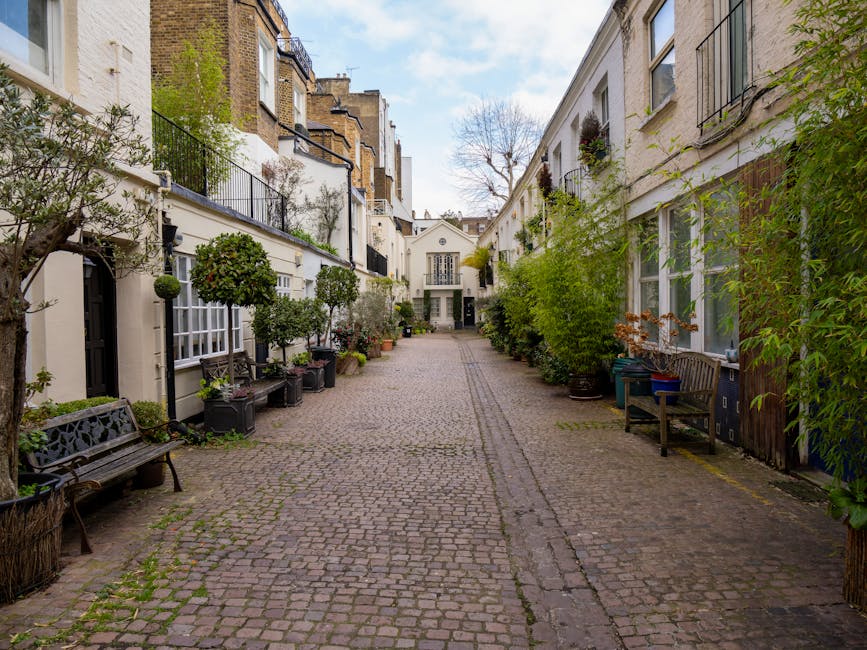
Gardeners Spitalfields guide to small E1 courtyard makeovers
If you have a compact courtyard in E1, you already know the dilemma: it is small, but it still has to work hard. It might need to feel private, stay low-maintenance, handle shade, and somehow still look like a proper garden rather than a forgotten strip of paving. This Gardeners Spitalfields guide to small E1 courtyard makeovers is built for exactly that kind of space. The aim is simple: turn a tight outdoor area into something useful, calm, and genuinely attractive without wasting a single square metre.
Small courtyards can be brilliant. They are close to the house, easy to access, and perfect for layered planting, compact seating, and clever materials. But they can also go wrong quickly if the design is too busy, the planting is too thirsty, or the hard landscaping makes the space feel boxed in. Let's face it, a courtyard should feel like a retreat, not a storage corner with a few pots. Below, you will find a practical, local-minded approach to making an E1 courtyard look better and work harder, with ideas that suit city living, awkward light, and everyday use.
Table of Contents
- Why small E1 courtyard makeovers matter
- How a courtyard makeover works
- Key benefits and practical advantages
- Who this is for and when it makes sense
- Step-by-step guidance
- Expert tips for better results
- Common mistakes to avoid
- Tools, resources and recommendations
- Law, compliance, standards and best practice
- Options, methods, and comparison table
- Case study or real-world example
- Practical checklist
- Conclusion
- Frequently asked questions
Why Gardeners Spitalfields guide to small E1 courtyard makeovers Matters
In a dense part of London, a courtyard is often the only private outdoor space available. That makes it more than a decorative extra. It becomes a pause point, a morning coffee spot, a place for herbs, a place for pets to stretch out, and sometimes a place that quietly improves the feel of the whole home. A good courtyard makeover can change how you use the property day to day.
Small E1 gardens also come with their own realities. Shade from neighbouring buildings is common. Walls may hold moisture. Drainage may be patchy. Surfaces can feel cold and hard, especially if the courtyard is all concrete or brick. Then there is privacy, which is often a big issue in mews-style spaces, shared access areas, and rear courtyards overlooked by flats. A careful makeover answers these problems instead of pretending they do not exist.
What matters most is not size. It is clarity. In our experience, the courtyards that feel best are the ones with a simple purpose: a place to sit, a clear planting story, and a layout that makes sense the second you step outside. When that happens, even a very small space can feel generous.
If your courtyard has become patchy, overgrown, or simply uninspiring, starting with a garden restoration mindset can be the smartest first move. It helps you deal with the neglected bits before you get distracted by pretty finishes.
How Gardeners Spitalfields guide to small E1 courtyard makeovers Works
A courtyard makeover is less about dramatic construction and more about sequencing. First, you assess the site properly. Then you remove what is failing. After that, you choose a layout that respects light, access, and maintenance. Only then do you think about plants, seating, and finishing touches. Simple on paper, yes. But a lot depends on getting the order right.
Most effective small courtyards combine three layers:
- Hard landscaping such as paving, decking, edging, or gravel.
- Structural planting like evergreen shrubs, climbers, or a compact hedge.
- Soft styling such as pots, lighting, seating, and useful accessories.
The trick is balance. Too much hard landscaping and the space feels stark. Too much planting and it can become hard to move around or maintain. The sweet spot is usually a layout where the eye is guided, not overwhelmed. A narrow path can lead to a small seat. Vertical planting can draw the eye upward. A single focal point, such as a bench or statement planter, can make the whole space feel deliberate.
People often ask whether a courtyard needs a full redesign to make a difference. Not always. Sometimes a proper clean, better edging, a few plant changes, and smarter container grouping are enough. If the paving is tired, though, a deeper refresh may be worthwhile. Patio cleaning can be a surprisingly effective first step because it instantly reveals what the space is actually capable of.
Key Benefits and Practical Advantages
A well-planned courtyard makeover is not just about appearance. It changes how the space functions and how much you enjoy using it. That sounds obvious, but people often underestimate the emotional lift of a garden that feels finished.
1. Better usability. A courtyard with a clear layout gives you a place to sit, store pots neatly, and move around without awkward corners or clutter. That matters a lot in small spaces.
2. Stronger privacy. Screening with planting, trellis, or carefully placed structures can soften views from neighbouring windows without making the area feel fenced in.
3. Lower maintenance. Choosing the right materials and plants reduces weekend chores. If you want a courtyard that looks good without constant fuss, these low-maintenance garden ideas are worth borrowing from.
4. More year-round interest. In a small space, every plant matters. Evergreen structure, winter stems, and long-flowering plants can keep the courtyard from looking bare in colder months.
5. Improved property feel. Even when measured in tiny increments, a neat, inviting courtyard makes the whole home feel more considered. You notice it every time the door opens.
6. Easier seasonal adaptation. Containers, modular furniture, and movable screens make it easier to adjust the space as light, weather, or use changes through the year.
Who This Is For and When It Makes Sense
This guide is for anyone with a compact outdoor area in E1 who wants it to feel intentional instead of leftover. That includes flat owners, tenants with courtyard access, landlords improving rental appeal, and homeowners trying to make a small rear garden work properly.
It is especially useful if your courtyard:
- is shaded for much of the day,
- has cracked, stained, or patchy paving,
- feels too exposed or overlooked,
- has awkward drainage or damp corners,
- needs to work for both people and pets,
- has become a place for storage rather than relaxation.
It also makes sense if you are planning a staged project rather than a full redesign. Not every courtyard makeover needs to happen in one go. Actually, for many London homes, that is not the sensible option at all. Start with the basics, see how the space behaves, then refine it. A little patience saves a lot of regret.
For those who are completely new to outdoor improvements, a quick read of beginner gardening tips can help you avoid the sort of mistakes that are easy to make when you are working with a small space for the first time.
Step-by-Step Guidance
A small courtyard makeover works best when you treat it like a sequence of decisions rather than one big leap. Here is a practical order that keeps the project grounded.
- Measure the usable space properly. Note the parts you can actually walk on, the areas that stay wet, and any fixed features such as drains, steps, or access doors.
- Study light and shade. Watch the courtyard in the morning, midday, and late afternoon. A space that looks bright at 11am may be gloomy by 3pm.
- Decide its main purpose. Do you want a seating nook, a planting garden, a pet-friendly space, or a low-maintenance visual lift? Choose one priority and let the rest support it.
- Clear away what no longer earns its place. Remove dead planters, weedy corners, crumbling pots, and anything that blocks circulation or sightlines.
- Set the hard landscaping first. Repair, clean, or rework the floor surface. If the paving is uneven or dull, this is where the biggest visual change often starts.
- Add vertical structure. Use wall trellis, climbers, or slim planters to keep valuable floor space open. Vertical gardening ideas are especially useful in narrow E1 courtyards.
- Choose a planting palette. Pick a small set of plants that repeat through the space instead of filling every gap with something different.
- Place seating carefully. One compact bench, bistro set, or fold-away chair arrangement is usually enough. If you want inspiration, beautiful seating area ideas can help you make the right choice.
- Finish with storage and lighting. Keep tools, watering cans, and cushions tucked away neatly. Add lighting only where it helps the space feel usable after dusk.
That may sound straightforward, but the order matters. If you buy plants before sorting drainage, you may lose them. If you choose furniture before checking dimensions, the space can feel cramped straight away. Better to build slowly. That's the boring answer, but it's the right one.
Expert Tips for Better Results
Small courtyards reward disciplined design. Not minimalism for its own sake, just discipline. A few strong choices beat a dozen weak ones every time.
Use repetition to calm the space. Repeating the same pot material, plant shape, or colour family makes a courtyard feel coherent. Mixed materials can work, but only if there is a visible pattern.
Go vertical before you go wide. Wall-mounted planting, climbing supports, and slender uprights give the eye something to travel up. That matters when floor space is tight.
Choose plants that forgive. Courtyards can be sheltered, but they can also be dry, windy in patches, or darker than expected. Plants that cope with partial shade and container life are safer than fussy choices. If you want ideas for reliable planting, have a look at good ground cover plants and use them where the soil surface needs protection.
Think in layers, not collections. A courtyard with low ground-level planting, mid-height structure, and a taller backdrop feels deeper than one lined with random pots. Depth is a design trick, and it works beautifully in small areas.
Keep the floor simple. In a tiny courtyard, the floor is the largest visual surface. A busy pattern can overwhelm the whole space. Neutral paving, pale gravel, or a clean deck surface often gives the plants room to breathe.
Check maintenance honestly. If you do not enjoy constant pruning, avoid designs that demand it. If you travel often, choose tougher planting and simpler finishes. No shame in that at all.
One more thing: if your courtyard is exposed to gusts funnelling between buildings, plan for shelter early. A quick read on managing strong winds in a garden landscape can save you from unstable pots and battered foliage.
Common Mistakes to Avoid
There are a few courtyard errors we see again and again. Most are fixable, which is the good news. The bad news is that they can waste money quickly.
- Overfilling the space. Too many planters, ornaments, and features make a small courtyard feel anxious. Leave some breathing room.
- Ignoring drainage. Water has to go somewhere. If puddles linger, plants struggle and surfaces age badly.
- Choosing thirsty plants for dry shade. Courtyards often receive less rain than you expect because walls and overhangs block it.
- Using very dark surfaces everywhere. Dark paving can absorb light and make the space feel smaller, especially in winter.
- Forgetting access needs. Doors, bins, side gates, and service routes must stay easy to use. A beautiful space that blocks daily life is not really a success.
- Assuming every plant will be happy in a pot. Many will not. Container gardening is useful, but it needs the right mix and regular watering.
One subtle mistake is leaving mature ivy or self-seeded climbers to "just do their thing." In a courtyard, that can quickly become a maintenance headache. If you are dealing with overgrown growth, this ivy removal guidance is a sensible reference point before things get out of hand.
And yes, the old habit of buying everything at once is still a problem. It usually ends with too many choices, mismatched pots, and a slightly tired-looking corner by week three. We have all been there. Well, nearly all of us.
Tools, Resources and Recommendations
You do not need a shed full of specialist kit for a small E1 courtyard makeover. A few reliable tools and a sensible plan are enough for most projects.
- Hand trowel and hand fork: useful for container planting and tight borders.
- Secateurs: for deadheading, light pruning, and tidying climbers.
- Watering can or hose with a gentle rose: better for containers than blasting plants with water.
- Weed puller or weeding knife: especially useful around paving edges and joints.
- Broom and stiff brush: for keeping hard surfaces clear and welcoming.
- Gloves and a kneeling pad: small comforts, but they make regular maintenance more likely.
If you are starting from scratch, the most practical way to build confidence is to understand the basics of garden care and materials. Essential gardening tools is a helpful place to start, especially if you are trying to avoid unnecessary purchases.
For plants and growing systems, container gardening is often the backbone of small courtyard design. It lets you control soil quality, move plants to better positions, and change the look of the space without major disruption. If that sounds useful, exploring container gardening is well worth your time.
Where the courtyard also needs seasonal care, do not forget that winter planning matters even in relatively sheltered spots. Pots can suffer more than in-ground planting, so a quick look at winter protection tips can help keep your choices alive and looking tidy through the colder months.
Law, Compliance, Standards and Best Practice
Most small courtyard makeovers are straightforward, but there are a few good-practice points worth keeping in mind. If you rent your property, check with the owner or managing agent before making permanent changes. If your home is leasehold, shared boundaries and access routes can matter more than people expect. That does not mean the project is difficult. It just means a little caution saves trouble later.
For any work involving raised structures, fencing, tree removal, or more substantial landscaping, it is sensible to think about safety and access before starting. Good contractors should be clear about what they are doing, how they protect the property, and what happens if they uncover issues such as unstable paving or hidden drainage problems. You should feel comfortable asking those questions.
In terms of best practice, a decent courtyard makeover should:
- avoid blocking drainage outlets,
- use stable, weather-appropriate materials,
- keep access routes safe and clear,
- choose planting that suits the site rather than forcing unsuitable species into it,
- use maintenance methods that do not create avoidable hazards.
If the project includes awkward access, mature trees, or boundary work, you may need specialist input. A trusted team should also have clear procedures around health and safety, insurance and safety, and fair customer handling, including terms and conditions and a visible complaints procedure. That sounds dry, but honestly, it's part of choosing someone you can trust.
Options, Methods, or Comparison Table
There is no single correct way to makeover a courtyard. The right method depends on budget, maintenance appetite, and how fixed you want the result to be. Here is a simple comparison to help narrow the choice.
| Method | Best for | Strengths | Limitations |
|---|---|---|---|
| Container-led refresh | Renters, quick upgrades, flexible layouts | Easy to change, low disruption, suitable for awkward light | Needs regular watering and can feel cluttered if overdone |
| Hardscape-first redesign | Courtyards with worn paving or poor flow | Strong visual improvement, cleaner lines, durable finish | Higher upfront cost and less flexibility later |
| Plant-first soft makeover | Spaces with decent surfaces but weak atmosphere | Quickly improves mood and privacy, good for shaded spaces | May not solve layout or drainage issues by itself |
| Full courtyard transformation | Long-term owners, neglected spaces, property value focus | Most complete result, best chance of a cohesive design | More planning, more disruption, usually the biggest investment |
If your main goal is keeping things simple and affordable, a hybrid approach often works best: clean the hard surfaces, add a few structural containers, then layer in one or two climbers or evergreen plants. That gives you a genuine transformation without overcommitting. For ideas on keeping costs sensible, budget-friendly garden ideas can help you stay realistic.
Case Study or Real-World Example
Here is a typical E1 scenario. A narrow courtyard behind a terrace had old paving, three oversized pots, a tired trellis, and a couple of plants that were hanging on rather than thriving. The space was technically usable, but nobody wanted to sit there. It felt dim, a bit forgotten, and slightly damp after rain.
The makeover did not start with a fancy design sketch. It started with clearing out the clutter, pressure-free cleaning of the paving, and checking where the light actually landed. The back corner stayed shaded most of the day, so that became the place for shade-tolerant planting. The sunnier edge got a container herb area. A slim bench went against the longest wall, and vertical planting was added to keep the floor clear.
Rather than using lots of different materials, the scheme stuck to one paving tone, one pot style, and repeating green structure. That made the space feel calmer. A small evergreen climber helped soften the wall, while a couple of well-chosen herbs brought scent near the door. On a mild evening, the whole courtyard suddenly felt like a place you would actually stop in, not just pass through. Small change, big shift.
The lesson? A small courtyard rarely needs more stuff. It usually needs more intention.
Practical Checklist
Use this quick checklist before starting a small E1 courtyard makeover. It keeps the project grounded and saves a lot of second-guessing.
- Measure the usable floor area.
- Note shade, sun, wind, and drainage patterns.
- Clear out broken pots, dead plants, and unused clutter.
- Decide the primary purpose of the space.
- Choose a simple material palette.
- Plan at least one vertical element.
- Leave enough room for doors, bins, and movement.
- Select plants suited to containers or shade if needed.
- Consider privacy and screening early, not last.
- Check whether any structural work needs permission or landlord approval.
- Set a maintenance level you will actually keep up with.
Expert summary: The best small courtyard makeovers are not the busiest ones. They are the clearest ones. Clean the surfaces, simplify the layout, choose plants that suit the light, and add one or two strong focal points. That is usually enough to make the space feel bigger, calmer, and more expensive than it really was.
Conclusion
A thoughtful courtyard makeover in E1 is really about making small choices count. The right paving, the right containers, the right plants, and the right amount of restraint can turn a cramped outdoor patch into a genuinely enjoyable part of the home. You do not need a huge budget or a dramatic redesign. You need a clear plan, a realistic sense of maintenance, and a bit of patience.
Most of all, do not underestimate how much a compact space can change the feel of everyday life. A courtyard that catches the morning light, holds a bit of scent, and gives you somewhere to sit for ten quiet minutes is not a minor luxury. It is part of how a home works. And in a busy place like Spitalfields, that matters more than people sometimes admit.
If you are ready to improve a tired or awkward courtyard, start with a proper assessment and keep the design simple enough to live with. The best outdoor spaces do not shout. They settle in with you.
Get a free quote today and see how much you can save.
Frequently Asked Questions
What makes a small E1 courtyard different from a typical garden?
Small E1 courtyards are usually more enclosed, more overlooked, and less forgiving than larger gardens. They often have tougher shade, drainage, and privacy challenges, so the design needs to be more deliberate.
Can a courtyard makeover work if the space is mostly shaded?
Yes. Shaded courtyards can look excellent with the right planting palette, especially if you use containers, evergreen structure, and a light-reflective surface. The key is choosing plants that suit low light rather than fighting it.
What is the easiest first step in a courtyard transformation?
Start by clearing clutter and cleaning the surfaces. Once the space is visible again, you can judge what needs repairing, replacing, or replanting. That first clear-out makes everything else easier.
Do small courtyards need professional landscaping?
Not always, but professional help is useful if you have drainage concerns, uneven surfaces, boundary issues, or want a polished finish. A well-planned professional job can save time and avoid costly mistakes.
What plants are best for a tiny courtyard?
Plants that cope well in containers, partial shade, and repeated pruning are usually the safest choices. Evergreen climbers, herbs, and compact structural plants often work well, provided they suit the light levels.
How can I make a small courtyard feel bigger?
Use fewer but stronger features, keep the floor simple, add vertical planting, and avoid overfilling the space. Repetition and clean lines help the eye move through the courtyard instead of stopping at clutter.
Is patio cleaning really worth it before a makeover?
Yes, because dirt, algae, and staining can hide the true condition of the surface. Cleaning often makes the area look brighter immediately and helps you decide whether you need more substantial work.
How do I keep a small courtyard low-maintenance?
Choose durable surfaces, repeat a limited plant palette, use reliable containers, and avoid complicated bedding schemes. If a design needs constant fuss, it may not be the right one for your lifestyle.
Can courtyard makeovers help with privacy?
Definitely. Screening plants, trellis, and carefully placed structures can soften views and make the space feel more intimate. It is usually better to layer privacy than to create a heavy barrier all at once.
What if I only have a small budget?
Focus on the changes with the greatest impact first: clean the surface, remove clutter, add a few strong containers, and use one or two planting features well. Small upgrades done properly often beat a half-finished big plan.
Are there safety or permission issues to think about?
Yes, especially if you are making structural changes, working near shared access, or live in a rented or leasehold property. It is sensible to check permissions and make sure any work follows good safety practice.
How often should a courtyard be refreshed?
Many courtyards benefit from a light seasonal refresh, with a deeper rethink every few years if the layout stops working. Plants grow, habits change, and even a good design can drift a bit over time.
Learn more about the team behind Gardeners Spitalfields or explore professional gardening services if you want help turning a small courtyard into something more useful and more beautiful.